Sculpture Maintenance
To maintain their original beauty and finish, bronze sculptures should be given occasional care and maintenance.
Regular Dusting
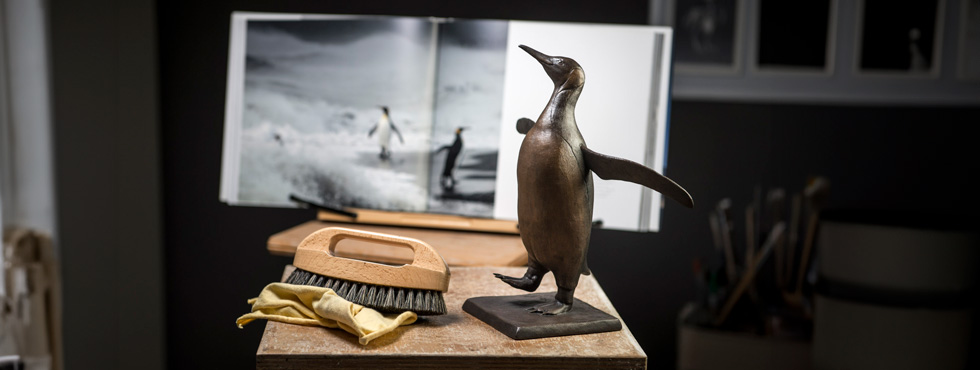
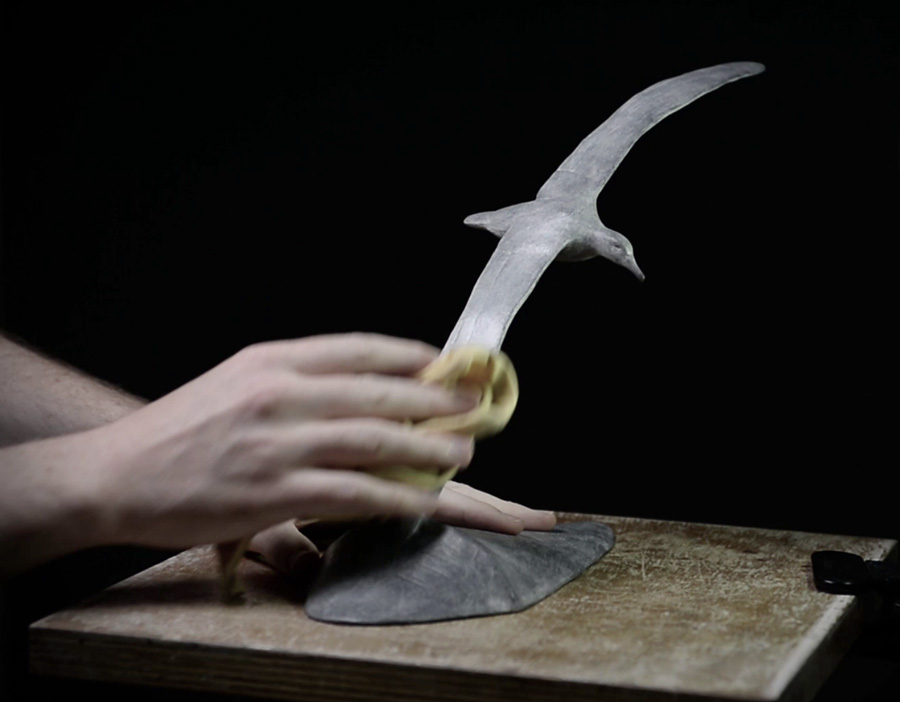
The simplest way to keep your bronze sculpture looking its best is to regularly dust the surface with a clean, soft cloth. It’s important that the cloth has not been used with any cleaning chemicals, as these can discolour the bronze. For sculptures with hard-to-reach areas, a clean, soft brush can be used to gently remove dust from recesses. To restore a little surface shine, you can lightly buff the sculpture while dusting—rubbing back and forth with gentle pressure to enhance the waxed finish. For indoor sculptures, this should not be necessary more than twice a year. See below for guidance on maintaining outdoor pieces.
Protecting the Patina
The patina is the surface colour of the bronze, created through the careful application of heated chemicals. To protect this patina and prevent any further changes to the sculpture’s colour, each piece is coated with a layer of paste wax. This protective wax also allows the surface to be gently buffed, giving the sculpture a rich, lustrous finish.
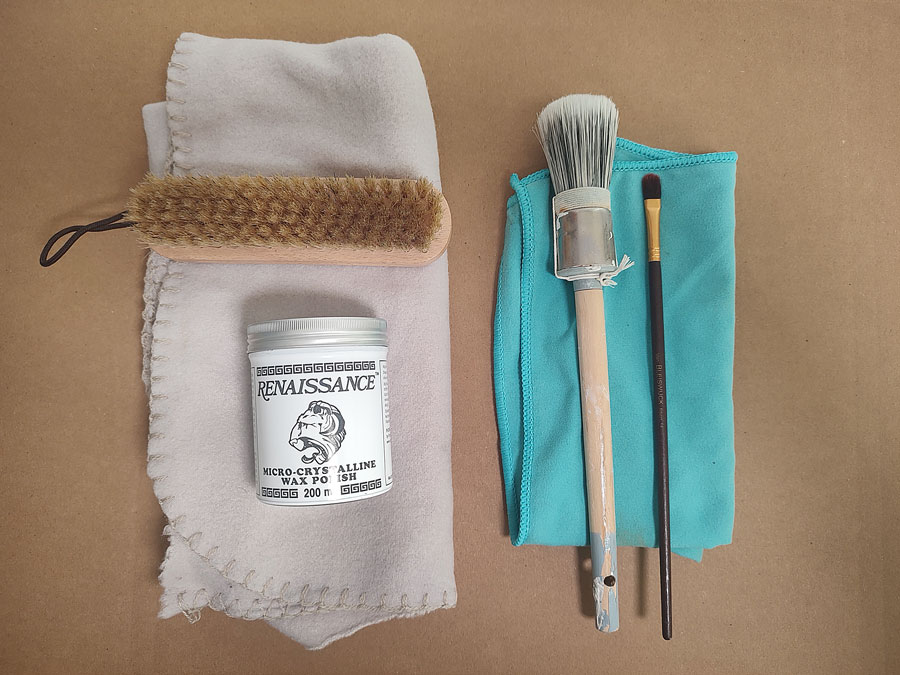
Over time, the wax layer may gradually wear away and will need to be reapplied. Anthony recommends using a microcrystalline wax such as Renaissance Wax, which can be easily applied with a clean brush after removing any dust from the sculpture. Only a thin coat is necessary—too much wax can leave visible brush marks and may discolour over time. After approximately half an hour, once the wax has dried, it can be gently buffed with a clean, soft cloth or brush. For indoor sculptures that are not regularly handled, the wax surface should last for several years before needing renewal.
Handling and Care Precautions
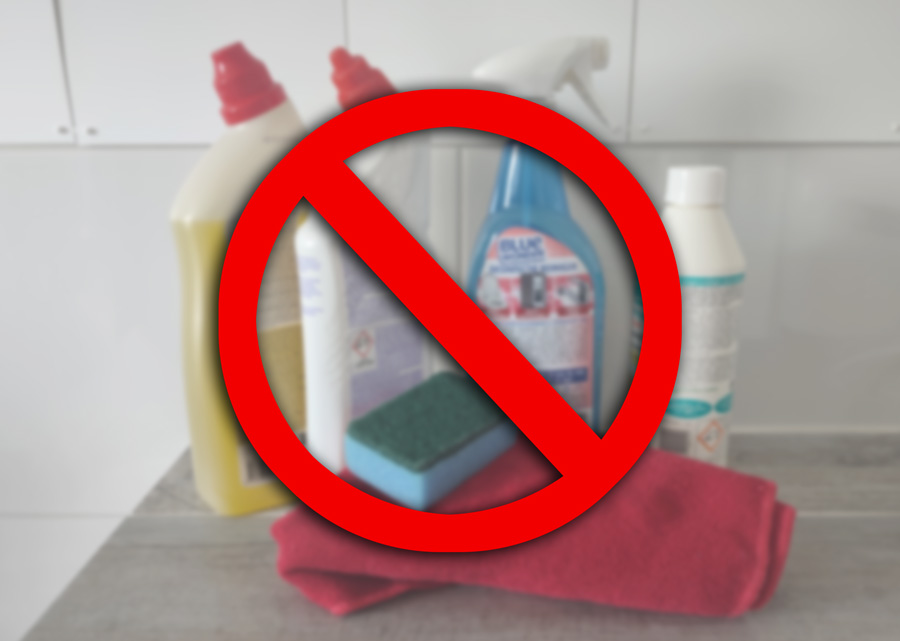
- Please never use any cleaning products, or cloths that have previously been used with cleaning products, on the surface of your bronze sculptures. Such substances can damage or discolour the patina.
- Certain hand creams and perfumes may also react with the patina, so it is best to handle sculptures only with clean, dry hands. Alternatively, wrap the sculpture in a clean, soft cloth when lifting or moving it.
- Avoid rubbing or touching the sculpture with abrasive materials such as wire brushes or scouring pads, as these can permanently mark the surface. Take care to remove or cover any sharp jewellery when handling a sculpture to prevent accidental scratches to the bronze.
Outdoor Sculptures
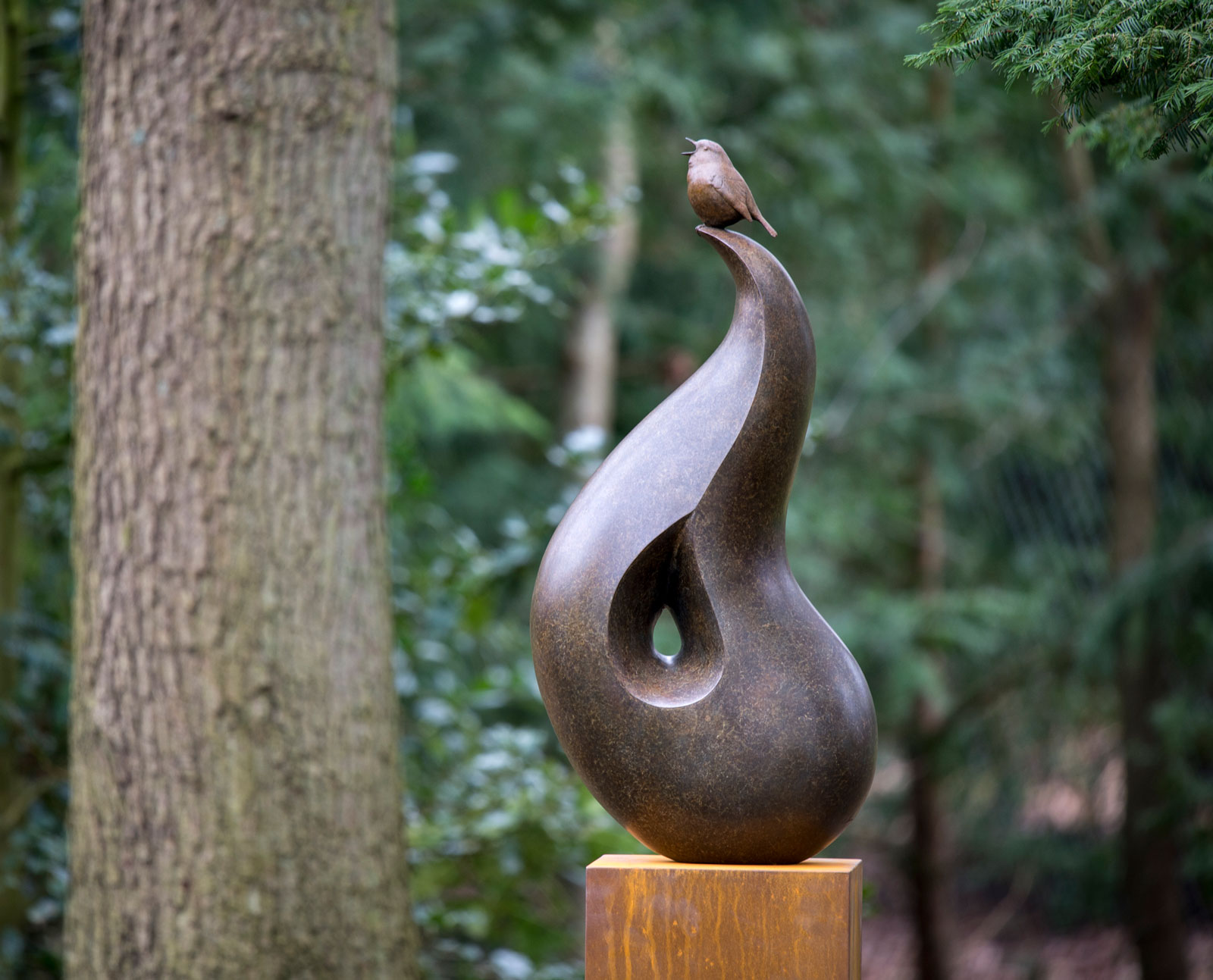
Some sculptures are suitable for outdoor display (please contact Anthony to confirm whether your piece is appropriate), and these works require additional maintenance. Outdoor sculptures should be re-waxed once or twice a year to maintain a protective surface layer.
Because they are exposed to the elements, outdoor pieces may occasionally become dirty. Tree resin and bird droppings can be particularly harmful to the patina and should be removed as soon as possible using warm water and a soft cloth or brush. After cleaning, allow the sculpture to dry completely for several hours before reapplying a thin coat of wax to the affected area.
Avoid using fertiliser sprays, pesticides, chlorine, or any other cleaning products on or near your outdoor sculpture, as these substances can cause permanent damage to the bronze or its patina.
Sculptures by the Sea
Outdoor sculptures located in areas with a high salt content in the air—such as coastal regions—may experience gradual changes in their patina over time, even with regular waxing. The long-term effects of salt exposure can be unpredictable, but they often result in unique and visually striking variations in colour that add character and individuality to each piece.
Handling and Rubbing
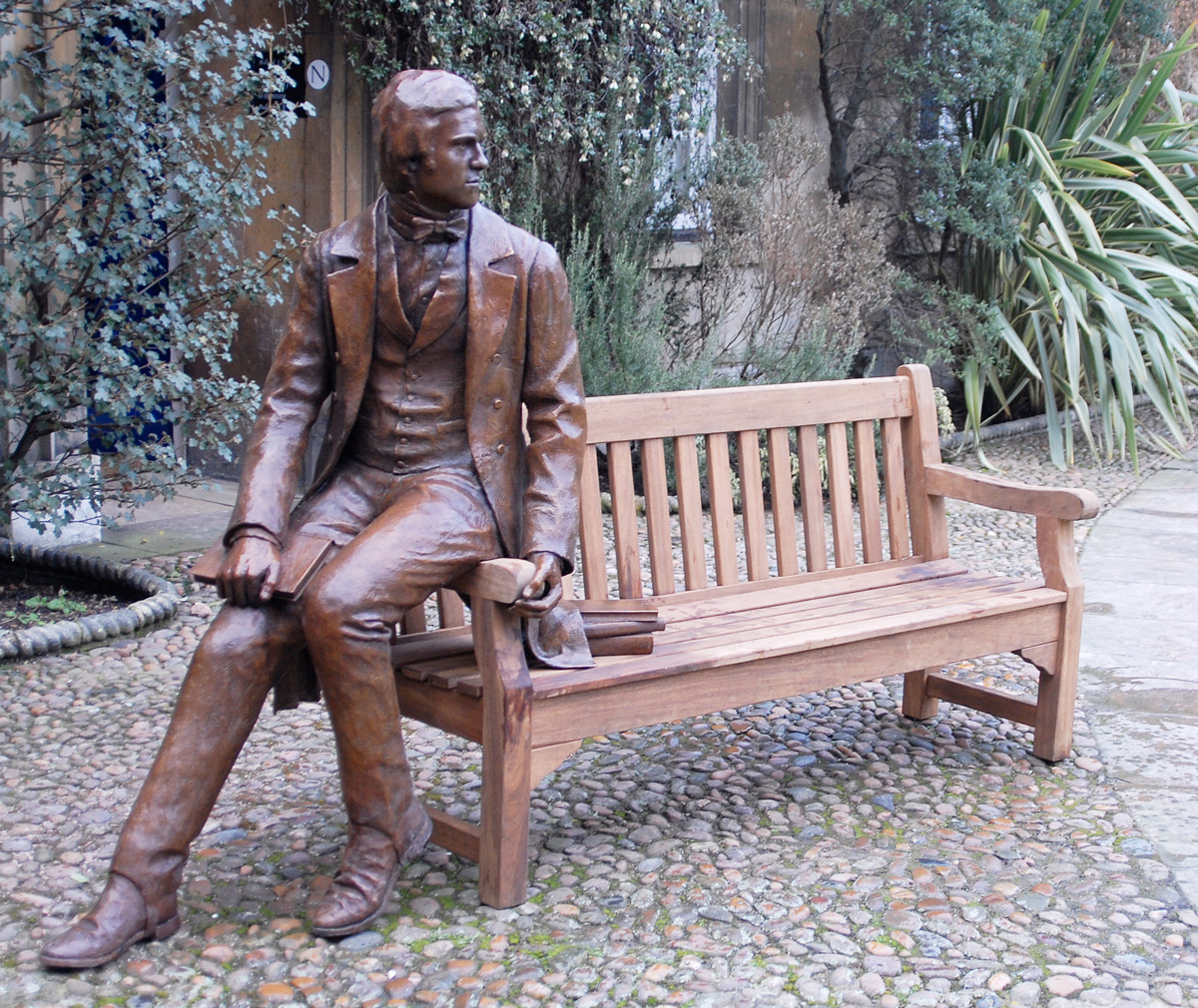
When a sculpture is regularly handled or rubbed in a particular spot, this can gradually wear away not only the protective wax coating but also the patina beneath it. The exposed area may develop a golden patch — the natural colour of raw bronze. This effect is commonly seen on public statues that are frequently touched and can serve as a reminder of the importance of careful handling to preserve the sculpture’s original finish.
The Natural Ageing of Bronze
Even with regular re-waxing and dusting, a sculpture’s patina may slowly evolve over the years due to the natural oxidation process. This gradual change is part of what gives many of the world’s most famous bronze sculptures their distinctive and beautiful character — it should not necessarily be seen as a flaw. While a bronze sculpture can endure for many centuries, its appearance will gently transform over time, recording its history in the subtle shifts of its surface.